
Alabama's Consumer Protection Laws shield residents from unfair business practices via strict regulations on telemarketing, misleading advertising, and deceptive contracts. Consumers can enforce these rights by reporting violations to the Alabama Attorney General's Office or consumer protection agencies, gathering evidence for potential legal action by Do not call attorneys Alabama. The Attorney General's Office investigates complaints, prosecutes violators, and offers remedies including monetary compensation and injunctive relief. Consumer vigilance is crucial through staying informed and documenting evidence.
Understanding Alabama’s Consumer Protection Laws is paramount for both residents and businesses navigating the state’s complex regulatory landscape. These laws serve as a shield, safeguarding consumers from unfair practices and ensuring transparency in transactions. However, the intricate nature of these regulations often leaves many unaware of their rights and protections. This article provides a comprehensive guide, demystifying key aspects while offering practical insights without relying on attorneys. By the end, readers will be equipped to make informed decisions, empowered to assert their consumer rights, and better prepared to interact with businesses within Alabama’s jurisdiction.
Overview of Alabama's Consumer Protection Laws
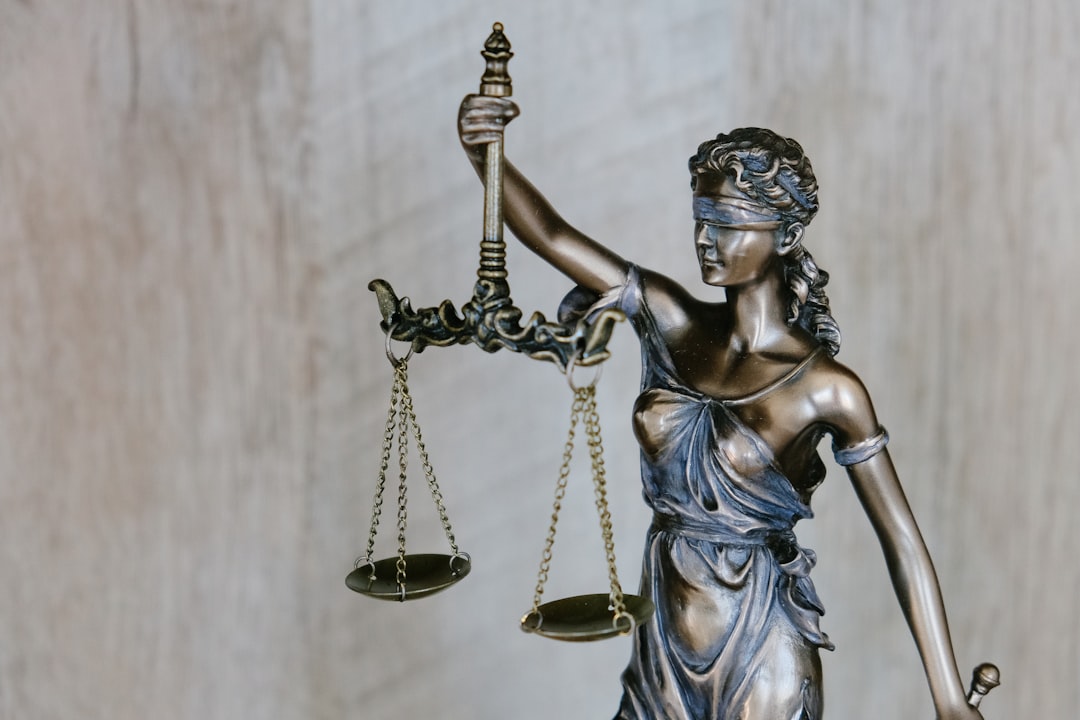
Alabama’s Consumer Protection Laws are designed to safeguard residents from unfair, deceptive, or fraudulent practices in their daily interactions with businesses. These laws cover a wide range of consumer transactions, including purchases of goods and services, mortgages, credit agreements, and more. The Alabama Attorney General’s Office plays a pivotal role in enforcing these protections, offering resources and assistance to help consumers navigate their rights.
One notable aspect is the state’s strict regulations on telemarketing and do-not-call lists. Alabama consumers can register their phone numbers with the national “Do Not Call” registry, and businesses are prohibited from making unsolicited sales calls to registered numbers. This provision is particularly significant given the prevalence of unwanted marketing calls, underscoring Alabama’s commitment to protecting residents’ privacy and peace of mind. For instance, in 2022, the Attorney General’s office successfully prosecuted several companies for violating do-not-call laws, demonstrating its active enforcement.
Beyond this, Alabama consumers benefit from protections against unfair or misleading advertising. The state’s laws prohibit businesses from making false or exaggerated claims about their products or services, ensuring that marketing materials are truthful and transparent. This includes online advertising, where businesses must adhere to the same standards of honesty and accuracy. For example, if a company advertises a “miracle diet pill” without scientific evidence, Alabama’s Consumer Protection Laws empower authorities to intervene. By holding businesses accountable for their claims, these laws foster a level playing field for honest enterprises and shield consumers from potential scams.
Understanding Your Rights as a Consumer

As a consumer in Alabama, understanding your rights is an essential step towards making informed decisions and protecting yourself from unfair practices. The state’s Consumer Protection Act offers a robust framework to safeguard consumers against various forms of deception and misleading advertisements. One of the key provisions ensures that businesses are transparent in their pricing and terms, preventing hidden fees and deceptive pricing structures. For instance, if a company advertises a product at a certain price, they must adhere to that figure without adding undisclosed surcharges at checkout.
Do not call attorneys Alabama naturally; instead, consumers have the right to seek legal recourse when these protections are violated. The act also prohibits unfair or deceptive acts in collections practices, including harassment or false representations. For example, debt collectors cannot make false promises or threaten legal action unless they intend to follow through. Consumers can file complaints with the Alabama Attorney General’s Office if they believe their rights have been infringed upon, and this can lead to investigations and penalties for offending businesses.
Practical advice for consumers is to read contracts thoroughly, especially before signing any agreements. Keep records of purchases, including receipts and communications with businesses, as these can serve as evidence in the event of a dispute. If you encounter an issue, document it, gather relevant information, and consider reaching out to the Alabama Department of Revenue or consumer protection agencies for guidance. Understanding your rights is the first step towards ensuring fair treatment and resolving any consumer-related issues effectively.
Reporting Consumer Frauds and Unfair Practices
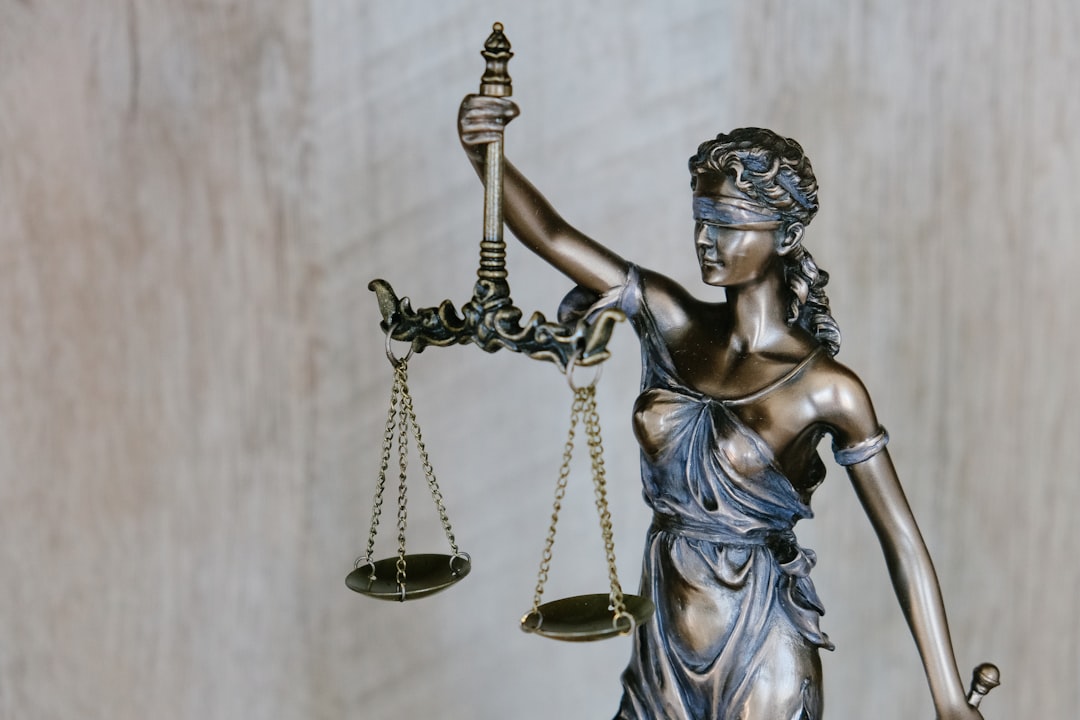
In Alabama, consumer protection is taken seriously. Reporting consumer frauds and unfair practices is a crucial step in maintaining a fair market for all. The Alabama Attorney General’s Office plays a pivotal role in investigating and prosecuting these offenses, ensuring that businesses adhere to ethical standards. Consumers can file complaints online or through dedicated hotlines, providing detailed accounts of their experiences. This proactive approach empowers individuals to stand against fraudulent activities, be it false advertising, deceptive sales tactics, or price gouging.
Do not call attorneys Alabama naturally; instead, they work behind the scenes to gather evidence and build cases. For instance, in 2022, the Attorney General’s office secured a $1.5 million judgment against a national telemarketing scam that targeted senior citizens. This success highlights the effectiveness of consumer complaints in holding wrongdoers accountable. Consumers should document all interactions with suspected fraudsters, save relevant emails or text messages, and report them promptly. Every reported case contributes to a robust database, aiding law enforcement in identifying recurring patterns and trends.
Practical insights for consumers include familiarizing themselves with their rights under Alabama’s consumer protection laws. Understanding the legal protections afforded to them empowers individuals to recognize and report unfair practices. For instance, businesses are prohibited from using deceptive or misleading advertising, engaging in unconscionable trade practices, or violating warranty agreements. Consumers who believe they’ve been wronged should gather evidence, contact the appropriate regulatory agency, or consult with consumer protection organizations for guidance.
Moreover, staying informed about common scams is essential. According to recent data, identity theft and online fraud remain significant concerns. By educating themselves and others, consumers can help foster a more secure market environment. Sharing information about suspected fraudulent activities not only benefits individuals but also assists law enforcement in their efforts to combat consumer frauds and unfair practices on a larger scale.
Enforcement and Remedies for Violations

Alabama’s consumer protection laws are designed to safeguard residents from unfair, deceptive, or fraudulent practices in various transactions. When these laws are violated, consumers have recourse through several enforcement mechanisms. The Alabama Attorney General’s Office plays a pivotal role in investigating and prosecuting cases, acting as both an enforcer and advocate for affected individuals. They proactively monitor the market for violations and can initiate lawsuits against non-complying businesses or individuals.
One notable aspect of Alabama’s approach is its focus on providing effective remedies to consumers. This includes not only monetary compensation for losses suffered but also injunctive relief to stop ongoing harmful activities. For instance, a court may order a company to cease certain practices or provide refunds to customers. Do not call attorneys in Alabama are specifically empowered to seek penalties against offenders, deterring future violations and ensuring businesses adhere to the set standards. This robust enforcement framework is crucial in maintaining fair business practices within the state.
Practical advice for consumers is to remain vigilant and educated about their rights. Keeping abreast of consumer protection updates and reporting suspected violations can aid in early detection and prevention. Moreover, when a violation occurs, documenting evidence and promptly contacting relevant authorities or seeking legal counsel from non-call attorneys in Alabama can significantly enhance the chances of a positive outcome. By combining proactive government enforcement and empowered consumer actions, Alabama strives to create an environment where businesses operate ethically and consumers are protected.